
Akron Criminal History Checks
Begin an Akron criminal history check with the event, not a broad name search. The western Plymouth County location and nearby state border make agency identity important. City public-safety staff, the Plymouth County Sheriff, or another agency may have handled the call. The research did not verify one Akron police records portal or a fixed local request process, so do not assume city hall holds the report. A name alone also does not prove that two records concern the same person.
- Use the official Akron city site to locate the current public-safety contact and ask which agency investigated.
- Request the incident or arrest report from that agency, with the date, place, and report number if known.
- Search Iowa Courts Online under Plymouth County for filed charges and the latest disposition.
- Check the Plymouth County Sheriff channel for present custody or booking material.
- Use Iowa DCI or IDOC only when statewide history or correctional status is the actual goal.
Each Akron step answers a different question. An Akron police report contains allegations and officer observations. A booking file documents intake. The Akron court file shows what prosecutors filed and how each count ended.
Which Agency Holds Akron Records?
The key Akron records question is who created the item. An investigating agency retains its Akron incident and arrest report. The Plymouth County Sheriff keeps county jail and sheriff-created material. The Clerk of District Court keeps the Akron criminal docket, orders, judgment, and sentence. Iowa DCI keeps a fingerprint-supported statewide history. Sending one Akron request to “the county” can fail because these records are not pooled in one office.
If the Akron arresting agency is unclear, provide the location, approximate date and time, and type of event when asking the city public-safety contact or sheriff for routing help. Do not state that Akron has a dedicated local police records unit, online form, set hours, or published fee. None was confirmed in the official Akron sources reviewed. Ask the identified custodian about access, cost, and delivery before submitting a request.
Records at the Akron Police Department
Akron may be the location named in a report, but location alone does not establish which law-enforcement office owns it. The official city site is the documented city contact route. It does not support a claim here about a separate Akron records bureau, a public blotter, or a downloadable report form. Confirm the investigating agency first. Then ask that agency for the public incident narrative, arrest report, crash material, or other item it actually created.
A useful Akron request states the event date and time, location, report or incident number, and exact record sought. It may also identify the preferred format. Under Iowa law, protected victim or witness information, juvenile data, medical facts, private financial identifiers, and active investigative material can be redacted or withheld. A local Akron agency report is still not the final word on guilt. That comes from the court judgment, if an Akron prosecution was filed and reached judgment.
Note: Akron report fees, response times, forms, counter hours, and local police staffing were not found in verified official sources.
Akron Warrant Record Limits
No public Akron or Plymouth County warrant-search portal was found. Iowa’s law-enforcement-only network is the Iowa On-line Warrants and Articles System. It links Akron wanted-person data with other justice information and connects to NCIC, but the public cannot sign in. A third-party Akron name result cannot prove that a warrant exists, was recalled, or was cleared.
The Iowa DPS description of the IOWA System shows why direct confirmation matters.
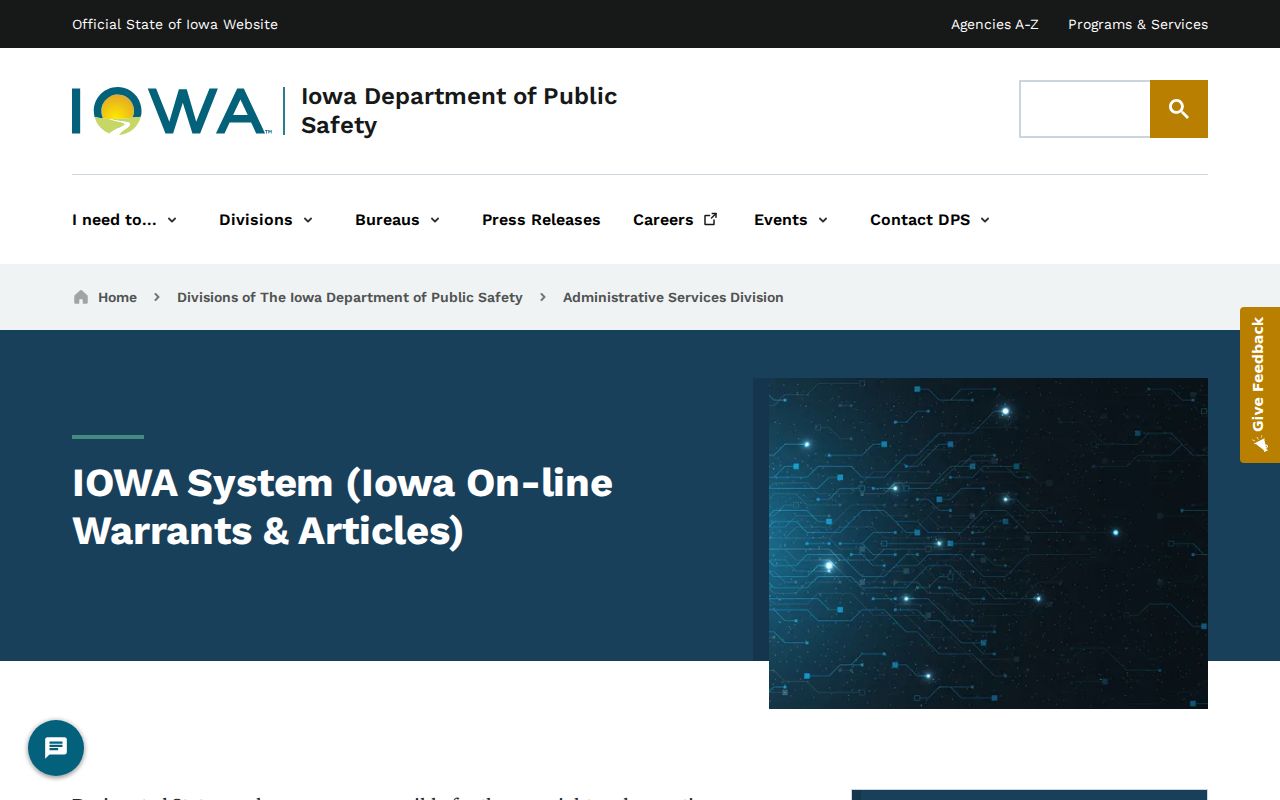
The image points to an official system description, not a public Akron warrant lookup. Check Iowa Courts Online for Akron case entries, call the Plymouth County Sheriff about its procedure, or contact the clerk with an Akron case number. Anyone resolving their own possible warrant should understand arrest risk before appearing in person and may seek legal counsel for safe case-specific advice.
Booking and Arrest Records in Akron
An Akron arrest can create at least three files. The investigating agency makes the arrest report. The Plymouth County Sheriff creates booking and custody records if the person enters the Law Enforcement Center in Le Mars. The county clerk opens a court record only after a prosecution is filed. Initial charge labels may change between those steps.
The sheriff publishes a current-only PDF inmate roster through its official homepage. It answers who is held now, not who was arrested in Akron months ago. For an older Akron arrest, ask the Akron investigating agency for its report and the sheriff for historical booking material. Then use the Akron court docket for count-level disposition. The broader Plymouth County arrest search routes explain the county-wide booking chain without turning a present-custody list into a historical database.
Older Akron Arrest Record Search
A missing name on today’s roster does not mean an Akron arrest never occurred. Release, transfer, dismissal, bond, or completion of a short Akron stay can remove a person from a current-custody list. Historical Akron research therefore starts with the event date and arresting agency. Add the Akron report number, booking number, or court case number whenever one is known.
For Akron chapter 22 requests, describe the exact item rather than seeking “everything.” Ask for an incident report, arrest report, booking sheet, jail log, or specified media. The Akron custodian may quote costs for search, review, redaction, or duplication. No fixed Plymouth County sheriff fee or guaranteed turnaround was published in the research. Akron court files should go to the clerk instead of being framed as a sheriff open-records request.
The Akron Municipal Court File
Akron has no separate municipal criminal docket in the researched Iowa system. City ordinance, traffic, misdemeanor, and felony matters use the unified Iowa District Court structure. Search Iowa Courts Online as a Plymouth County trial-court case. For an old, incomplete, or unclear result, contact the Clerk of District Court at the Plymouth County Courthouse in Le Mars.
| Court Name | Iowa District Court for Plymouth County, Third Judicial District |
|---|---|
| Case Types Heard | Felony, indictable and simple misdemeanor, traffic, and filed ordinance matters |
| Case Lookup Channel | Iowa Courts Online; clerk counter or telephone for copies and archived questions |
| What the Docket Shows | Case number, charge counts, events, orders, plea, disposition, judgment, sentence, and public financial entries |
| Copies & Fees | Ask the clerk for current plain or certified copy cost; no local schedule was located |
Read each Akron count through its latest disposition. One Akron charge may be dismissed while another ends in conviction. An Akron docket index may not include a downloadable image of every public filing.
Akron Records After State Transfer
Akron county custody ends when a person is released or transferred. If an Akron case leads to state prison, work release, probation, parole, or another state program, use Iowa Offender Search rather than the county roster. Search controls may include name, offender number, birth-date range, sex, location, and county of commitment. The result describes correctional or supervision status, not every fact in the Akron police report or court file.
The IDOC inmate and family services page links the state-custody tools used after that shift.
This statewide source is useful only after the Akron record has moved beyond county custody or into state supervision. For the Akron charge outcome, return to the Plymouth County court docket.
How Akron Records Reach the County
An Akron event moves through record custodians in a set order, though not every event reaches each stage. The investigating agency records the call and any arrest. County jail staff create booking data if a person is admitted. The Plymouth County Attorney decides what state charges to pursue. The clerk maintains the filed case. Qualifying fingerprints and reported outcomes then feed Iowa DCI.
Record flow: Akron investigating agency › Plymouth County Sheriff and District Court › Iowa Department of Public Safety, Division of Criminal Investigation
Recent Akron activity is most likely to appear first with the investigating agency or jail. A filed Akron case appears in the court system. The DCI response is the statewide, fingerprint-supported layer and may lag when fingerprints, identifiers, or dispositions have not arrived. An Akron DCI “no record found” result can also reflect limits on what may be released without authorization.
Akron Parole Record Meaning
Parole is not a city-held Akron record. The Iowa Board of Parole makes Akron parole and work-release decisions under chapter 904A, while IDOC handles field supervision. A Plymouth County docket can show the Akron sentence, and Iowa Offender Search may show public supervision status. Detailed plans, treatment facts, addresses, and officer notes are not the same as public Akron court records.
The Iowa Board of Parole overview identifies the state decision-making role.
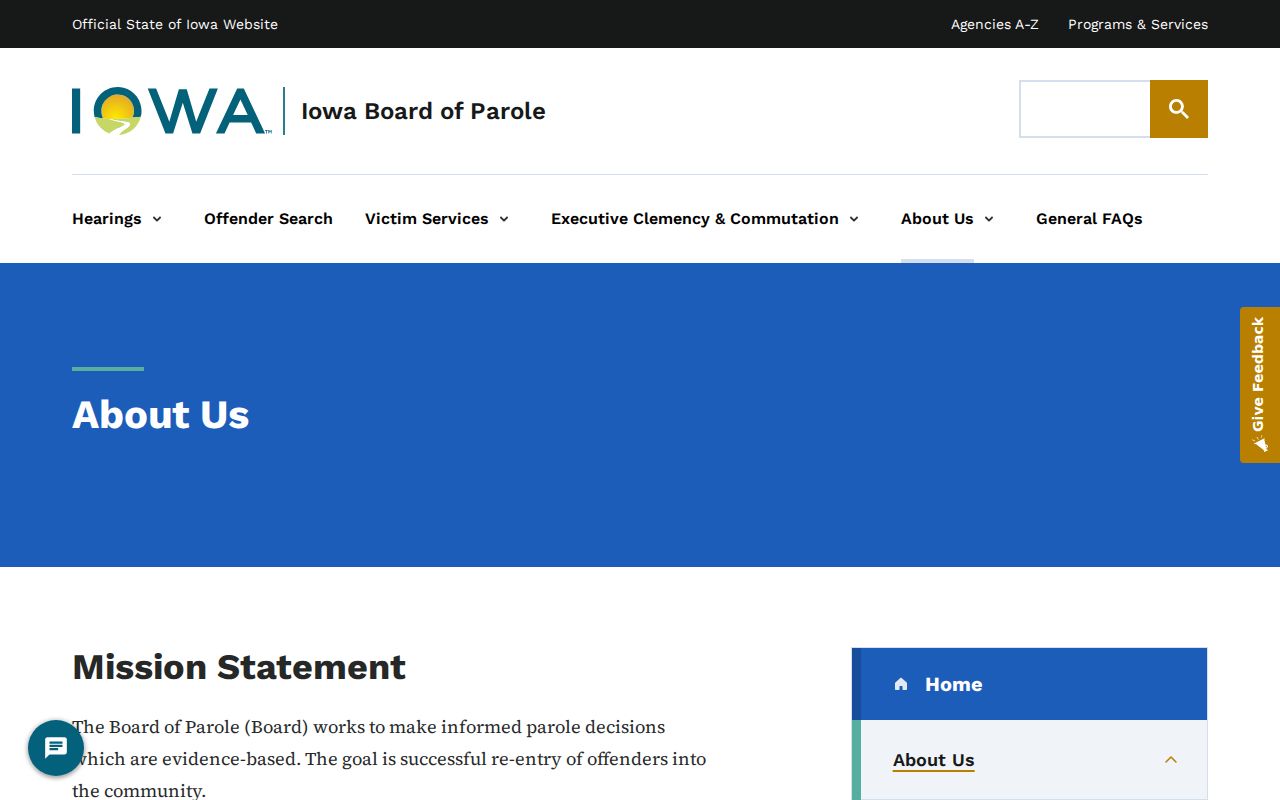
This source helps separate a parole decision from Akron police, county jail, and court files. The Board’s official parole FAQs then explain review timing and release logistics.
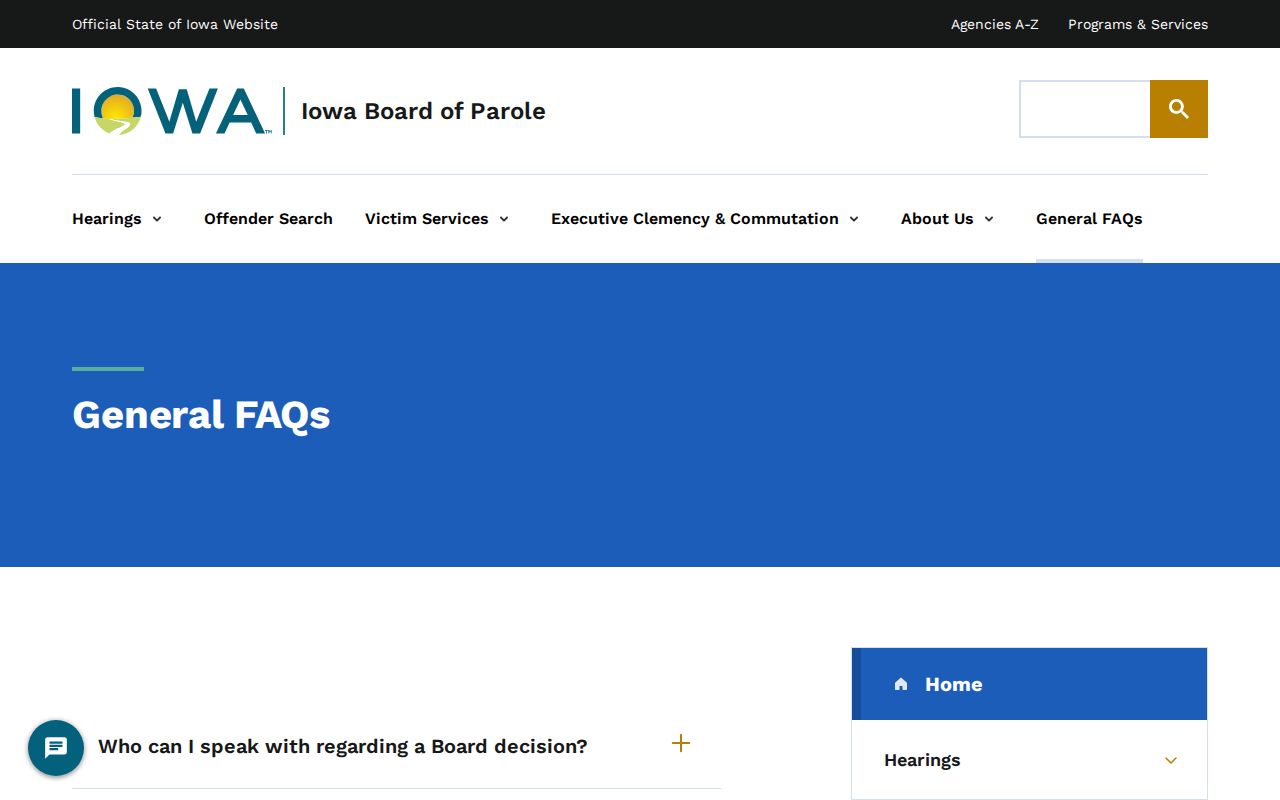
The practical Akron lesson is narrow: use the Board for parole process, IDOC for public status, and the clerk for the Akron case judgment.
Three Akron Criminal Record Custodians
One Akron incident may look different in each official Akron file. Comparing the Akron record types prevents a booking allegation from being mistaken for a conviction.
| Custodian | Record | Best Use |
|---|---|---|
| Investigating agency | Incident or arrest report | What officers recorded at the event |
| Plymouth County Sheriff | Booking and custody file | Intake, holds, bond, release, or current custody |
| Clerk of District Court | Criminal case file | Filed counts, orders, disposition, and sentence |
DCI adds a fourth, statewide Akron view based on fingerprint-supported cycles and reported dispositions. It is useful for an Iowa history check, but it does not replace the source documents held by the Akron event’s agency or Plymouth County offices.
Akron Custody and Parole Notices
Akron custody alerts and parole decision notices serve different roles. VINE can provide Akron custody-status notifications. The Iowa Board of Parole states that VINE registration does not replace registration with the County Attorney for Board decision notice. A person seeking notice tied to an Akron prosecution should keep those two channels distinct.
The Board’s registration and notification page sets out that distinction.
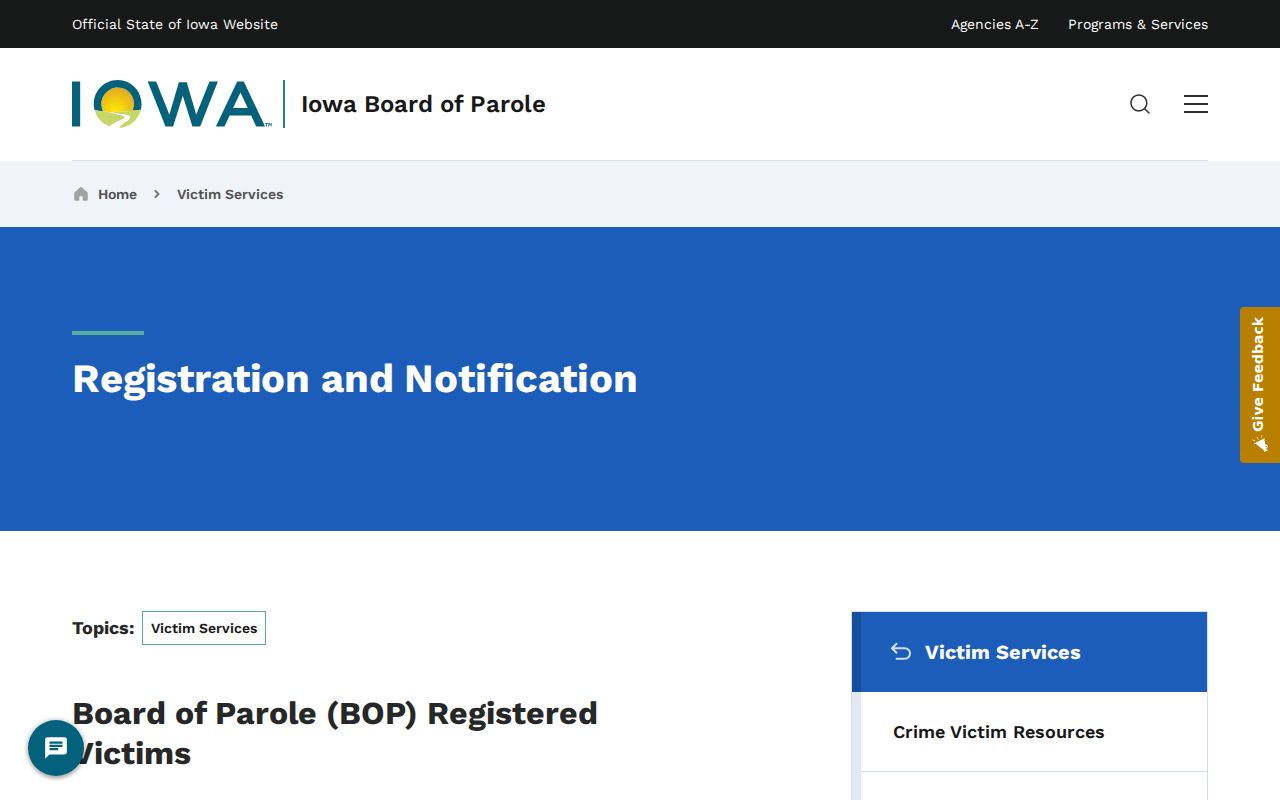
The image supports a practical Akron records rule: a notification service does not replace the official Akron docket, custody file, or required Board registration.
Akron Record Access Rules
Iowa law permits public access while protecting specified material. Start with the custodian that created the Akron record. The agency handles its report, the sheriff handles jail material, and the clerk handles the court file. Public access does not mean every line is open. Juvenile records, protected personal data, victim information, and active investigative facts may be restricted.
Key Statutes:
Iowa Code chapter 22 grants a right to examine and copy public records, subject to lawful exceptions including section 22.7.
Iowa Code chapter 692 controls criminal-history collection and DCI dissemination.
Iowa Code chapter 901C provides outcome-specific expungement routes for qualifying records.
For a deferred judgment, court-level expungement does not mean every government trace vanishes. DCI may retain the event as discharged and disclose it only as law permits. Verify an Akron court order in the docket and check the DCI record separately when accuracy matters.